
产品性能介绍
Specifications, Types, and Industrial Applications
Fiberglass Reinforced Plastic (FRP) grating has replaced steel and aluminium in harsh industrial environments. It combines highstrength-to-weight performance with chemical corrosion resistance and electrical insulation.
Engineers choose FRP grating when metallic gratings fail from chemical attack, saltwater exposure, or electrical hazards. This comprehensive guide covers structural types, resin systems, load parameters, and key application scenarios.
What Is FRP Grating? Structure and Manufacturing
FRP grating is a composite structural panel made from continuous glass fibre rovings embedded in a thermosetting polymer resin matrix. The glass fibres provide tensile and flexural strength The resin matrix protects fibres from corrosion, impacts, andultraviolet degradation.
Manufacturing follows two distinct production methods: molded grating and pultruded grating. Each method yields different structural properties and load profiles.
+-------------------------------------------------------------------------+
| FRP GRATING COMPOSITION |
| |
| +---------------------------------+ +----------------------------+ |
| | Continuous Glass Rovings | | Thermosetting Resin Matrix| |
| | - Molded: 30% - 35% by wt | | - Isophthalic / Vinyl | |
| | - Pultruded: ~65% by wt | | - Chemical & UV barrier | |
| +---------------------------------+ +----------------------------+ |
| | |
| v |
| +-----------------------------------------------------------------+ |
| | Finished Structural Grating Panel | |
| | High Strength-to-Weight * Non-Conductive * Corrosion-Proof | |
| +-----------------------------------------------------------------+ |
+-------------------------------------------------------------------------+
- Molded FRP Grating:Molded grating is produced in open, heated metal molds. Continuous woven glass rovings are placed in alternating layers and
thoroughly wetted with liquid resin.
The resulting panel features a one-piece cross-mesh structure with bidirectional strength. Glass content averages 30% to 35% byweight, leaving a thick resin-rich layer. This resin cushion gives molded grating chemical resistance against acids, alkalis, andsolvents. - Pultruded FRP Grating:Pultruded grating is assembled from continuous pull-extruded structural shapes like -bars or T-bars. These bearing bars are
locked together with perpendicular cross-rods.Putruded grating contans approximately 60% to 65% glass reinforcement by werght, This higher glass fraction delivers superior
stiffness and unidirectional span capacity over longer distances.
Technical Specifications and Engineering Parameters
Accurate engineering data is essential when replacing steel grating or designing new platforms. Below are verified mechanical
and safety parameters from published standards.
Mechanical and Load Performance
FRP grating meets design standards including ANS/ACMA FGM-2003 and OSHA 1910.22 for walking-working surfaces.
| Parameter | Molded Grating (38 mm Deep) | Pultruded Grating (38 mm I-Bar) | Test Standard |
|---|---|---|---|
| Glass Content (wt%) | 30% – 35% | 60% – 65% | ASTM D2584 |
| Tensile Strength | ~205 MPa (30,000 psi) | ~410 MPa (60,000 psi) | ASTM D638 |
| Flexural Strength | ~275 MPa (40,000 psi) | ~550 MPa (80,000 psi) | ASTM D790 |
| Flexural Modulus | ~12.4 GPa (1.8 × 10⁶ psi) | ~22.8 GPa (3.3 × 10⁶ psi) | ASTM D790 |
| Bar Hardness | 35 – 45 Barcol | 45 – 55 Barcol | ASTM D2583 |
| Water Absorption | <0.40% (24 hr) | <0.35% (24 hr) | ASTM D570 |
| Design Deflection | Max L/120 or 9.5 mm (0.375 in) | Max L/150 or 6.4 mm (0.25 in) | ANSI/ACMA FGM |
| Safety Factor | 5:1 on Ultimate Load | 5:1 on Ultimate Load | Standard Industry Practice |
Fire Retardance and Thermal Properties
Standard industrial FRP grating formulations include flame-retardant additives:
-
- Surface Burning: Flame Spread Index (FSI) ≤ 25, meeting Class 1 / Class A requirements under ASTM E84.
- Flammability Rating: Meets UL 94 V-0 and passes ASTM D635 with an average extent of burning under 10 mm.
- Temperature Range: Operates continuously between -40 °C and +80 °C (-40 °F to +176 °F). Vinyl ester systems maintain structural integrity up to 105 °C (221 °F).
Slip Resistance Ratings
Worker slips cause over 20% of lost-time industrial injuries. FRP grating addresses this risk through integrated surface profiles:
-
-
- Meniscus (Concave Top): Natural concave surface created during resin shrinkage in molds. Suitable for general industrial walkways.
- Embedded Quartz Grit: Angular quartz or aluminium oxide grit bonded under an extra resin topcoat.
- Slip Classification: Achieves DIN 51130 R13 slip resistance and dynamic coefficient of friction (DCOF) > 0.85 per ASTM C1028.
-
Resin Systems: Matching Chemistry to Environment
The polymer resin determines chemical resistance and temperature limits. Fabricators offer four primary resin systems:
+-------------------------------------------------------------------------+
| FRP RESIN SELECTION MATRIX |
| |
| [Orthophthalic] General light industry, municipal walkways |
| [Isophthalic] Moderate industrial acids, outdoor UV platforms |
| [Vinyl Ester] Severe chemical immersion, aggressive alkalis/Cl₂ |
| [Phenolic] Offshore oil & gas, marine vessels (low smoke) |
+-------------------------------------------------------------------------+
Orthophthalic Polyester
An economical resin system for mild corrosive environments. It resists wash water, lubricants, and light atmospheric weathering. Typical installations include car wash bays, light warehouses, and municipal architectural flooring.
Isophthalic Polyester
A balanced industrial-grade resin. It offers dependable resistance to mineral acids, salts, and outdoor exposure. Isophthalic formulations include UV inhibitors for extended sunlight exposure.
Vinyl Ester
Formulated with epoxy novolac or bisphenol-A backbones. Vinyl ester delivers high resistance to hot mineral acids, strong alkalis, and bleaching agents. It serves in chemical process plants, electroplating lines, and pulp mills.
Phenolic Resin
Designed specifically for extreme fire safety. Phenolic composites produce minimal smoke and low toxic emissions during combustion. They hold US Coast Guard (USCG) Level 2 approvals for offshore platforms.
Mesh Profiles and Dimensional Configurations
Panel thickness, mesh dimensions, and open area determine drainage capacity and point load support.
Standard stock panels measure 1220 × 3660 mm (4 × 12 ft) and 1220 × 2440 mm (4 × 8 ft). Cut edges are sealed with matching resin to maintain corrosion barriers.
Major Industrial Application Scenarios
FRP grating serves across industrial sectors where steel corrodes or poses electrical hazards.
1. Chemical and Petrochemical Processing Plants
Chemical plants handle aggressive electrolytes, sulfuric acid, hydrochloric acid, and caustic soda. Traditional carbon steel platforms rust rapidly and require frequent recoating.
Vinyl ester molded grating provides complete resistance to acidic splash and chemical spills. Typical installations include:
- Pickling tank walkways and acid storage bund floors.
- Electrolytic cell room platforms where non-conductive surfaces protect workers from stray electrical currents.
- Trench covers in chemical drainage channels.
2. Water and Wastewater Treatment Facilities
Sewage treatment plants present severe corrosion from hydrogen sulfide (H₂S) gas and biological moisture. Bacterial oxidation produces sulfuric acid, which attacks both steel and concrete grating.
Isophthalic and vinyl ester FRP gratings offer life spans exceeding 20 years in these environments:
- Clarifier and aeration tank inspection catwalks.
- Sludge dewatering room flooring where washdown water is continuous.
- Scum trough covers and intake screen platforms.
3. Marine, Ports, and Offshore Platforms
Seawater contains dissolved chlorides that induce pitting and stress corrosion in metal structures.
Phenolic and vinyl ester FRP gratings withstand salt spray, wave action, and sun exposure:
- Offshore drilling rig helidecks and escape routes.
- Commercial fishing piers and floating marina gangways.
- Cargo vessel battery rooms and bilge walkways.
FRP grating weighs approximately one-third of carbon steel grating. This weight reduction lowers topside dead load on floating offshore installations.
4. Power Generation and Electrical Substations
Electrical utility stations require non-magnetic and non-sparking flooring materials to protect personnel from flashover and shock.
FRP grating delivers high dielectric breakdown strength (ASTM D149 rating > 25 kV/inch):
- High-voltage transformer bund containment covers.
- Battery storage room access walkways.
- Switchgear room floors and cable trench coverings.
The material eliminates grounding wire loops and produces zero sparks from dropped steel tools.
5. Food and Beverage Manufacturing
Food processing environments face frequent hot-water washdowns, organic acids, cleaning detergents, and sanitation chemicals.
FRP grating provides hygiene and workplace safety:
- Brewery, dairy, and slaughterhouse floor drainage covers.
- Meat processing washdown decks with quartz grit R13 anti-slip protection.
- Raised packaging line inspection platforms.
Panels do not support bacterial or mold growth and resist caustic CIP (Clean-in-Place) cleaning solutions.
FRP Grating vs Galvanized Steel: Technical Comparison
Choosing between fiberglass and galvanized steel requires reviewing both acquisition cost and long-term operating expense.
While FRP grating carries a higher initial material cost, it eliminates periodic sandblasting and repainting. Total cost of ownership drops below steel within three to five years of installation.
Best Practices for Installation and Maintenance
Proper installation ensures FRP grating delivers its full structural life. Following established engineering protocols avoids premature wear and structural deflection.
- Minimum Edge Support: Provide at least 38 mm (1.5 in) of continuous bearing support on all structural edges. Inadequate perimeter seating increases point shear stresses on perimeter bearing bars.
- Hold-Down Fasteners: Secure panels with Type 316 stainless steel saddle clips (M-clips, C-clips, or G-clips). Place at least four clips per panel. Space clips at intervals no greater than 1200 mm (4 ft).
- Cut-Edge Sealing: Coat all saw cuts and drill holes with compatible vinyl ester or polyurethane resin. This step seals exposed glass rovings and prevents chemical wicking into core laminate strands.
- Thermal Expansion Clearances: Maintain a 5 mm to 6 mm expansion gap between adjoining panels. This space accommodates thermal movement over wide ambient temperature swings.
- Periodic Maintenance: Clean surfaces with standard high-pressure water washdown. Inspect hold-down clips annually for fastener tension and signs of mechanical vibration looseness.
Frequently Asked Questions (FAQ)
What is the typical lifespan of FRP grating?
In corrosive industrial environments, high-quality vinyl ester or isophthalic FRP grating regularly lasts 20 to 25 years. It requires no painting or galvanizing maintenance.
Can FRP grating support vehicle traffic?
Yes. Heavy-duty molded panels with 50 mm depth or pultruded heavy-duty bar gratings can support forklift and truck axle loads up to 10,000 kg. Review manufacturer load tables for specific support spans.
How do you cut FRP grating on-site?
Use a standard handheld circular saw or angle grinder fitted with a continuous diamond masonry blade. Always seal cut edges with a clear resin sealer kit.
Is FRP grating flame retardant?
Yes. Standard industrial formulations meet ASTM E84 Class 1 with a Flame Spread Index of 25 or lower. Self-extinguishing resins prevent flame propagation.
Does UV radiation damage FRP grating?
Quality outdoor FRP grating contains integral UV inhibitors and resin-rich surface veils. Over decades, slight surface fading may occur, but structural load capacity remains intact.
其他相关产品
-
Blue FRP Grating Guide: Specifications, Features, and Applications
Industrial facilities and commercial workshops are increasingly switching from painted steel to blue molded fiberglass grating (FRP grating). The distinctive blue color delivers clear zoning and hi...

-
FRP Grating Post-Processing: Cutting, Deburring, Drilling, Cut-Edge Sealing and Packing
FRP Grating Post-Processing: Cutting, Deburring, Drilling, Cut-Edge Sealing and Packing An FRP grating panel leaves the mold as a panel, not as a finished part. Everything that turns it into a safe...
-
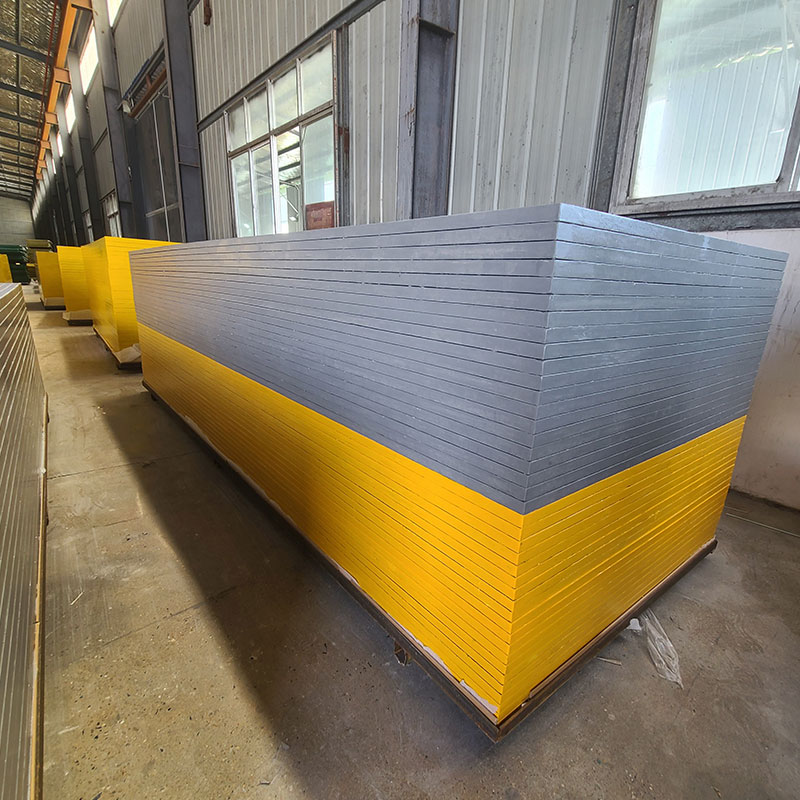
玻璃钢格栅盖板
产品名称:玻璃钢格栅盖板(FRP Grating Cover)产品类型:模压格栅 + 复合封闭盖板执行标准:ASTM E84、ASTM D635、ISO 9001 一、主要材料组成 项目 内容说明 增强材料 E玻璃纤维(G...
-
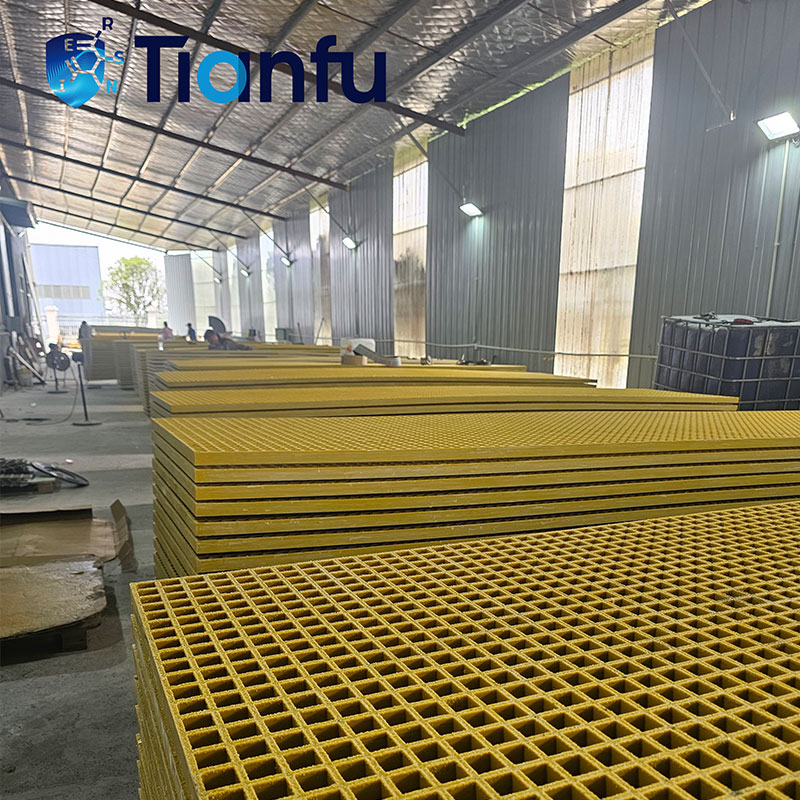
玻璃钢格栅板
玻璃钢格栅板(FRP Grating)是一种以玻璃纤维为增强材料、以不饱和聚酯树脂为基体,通过模压或拉挤成型工艺制成的板材,广泛应用于化工、海洋、食品、电力等行业。采购需综合考虑性能、应用环境、性价比等因素...
-
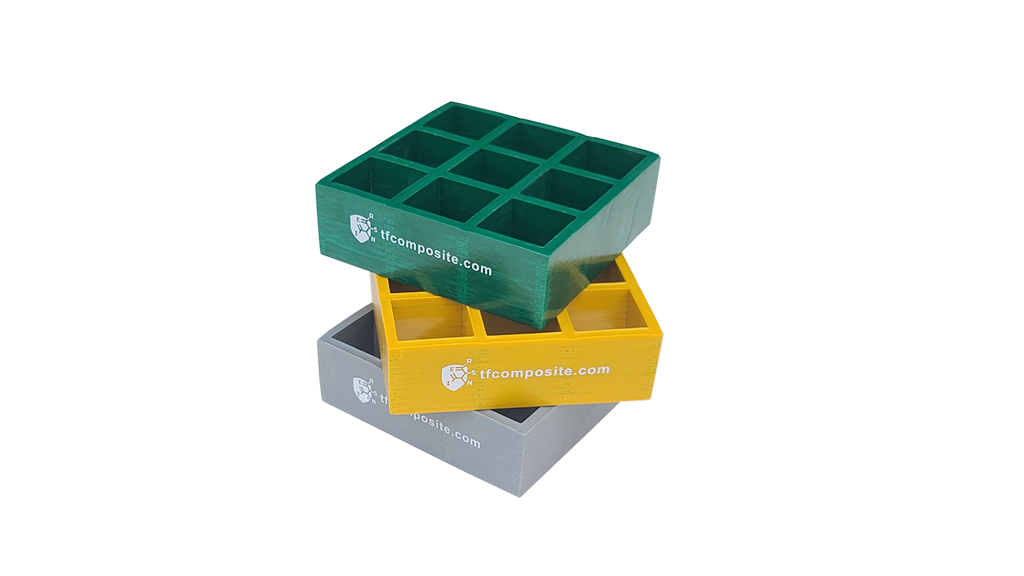
玻璃钢格栅多种厚度规格供您选择
欢迎访问安徽天复,如果您需要任何帮助和疑问,请点击我咨询。 我们在线并随时准备为您提供帮助,留下您的联系方式或者拨打电话15357827366,谢谢 玻璃纤维增强塑料(简称为玻璃钢)模塑格栅是一种以不饱...
-
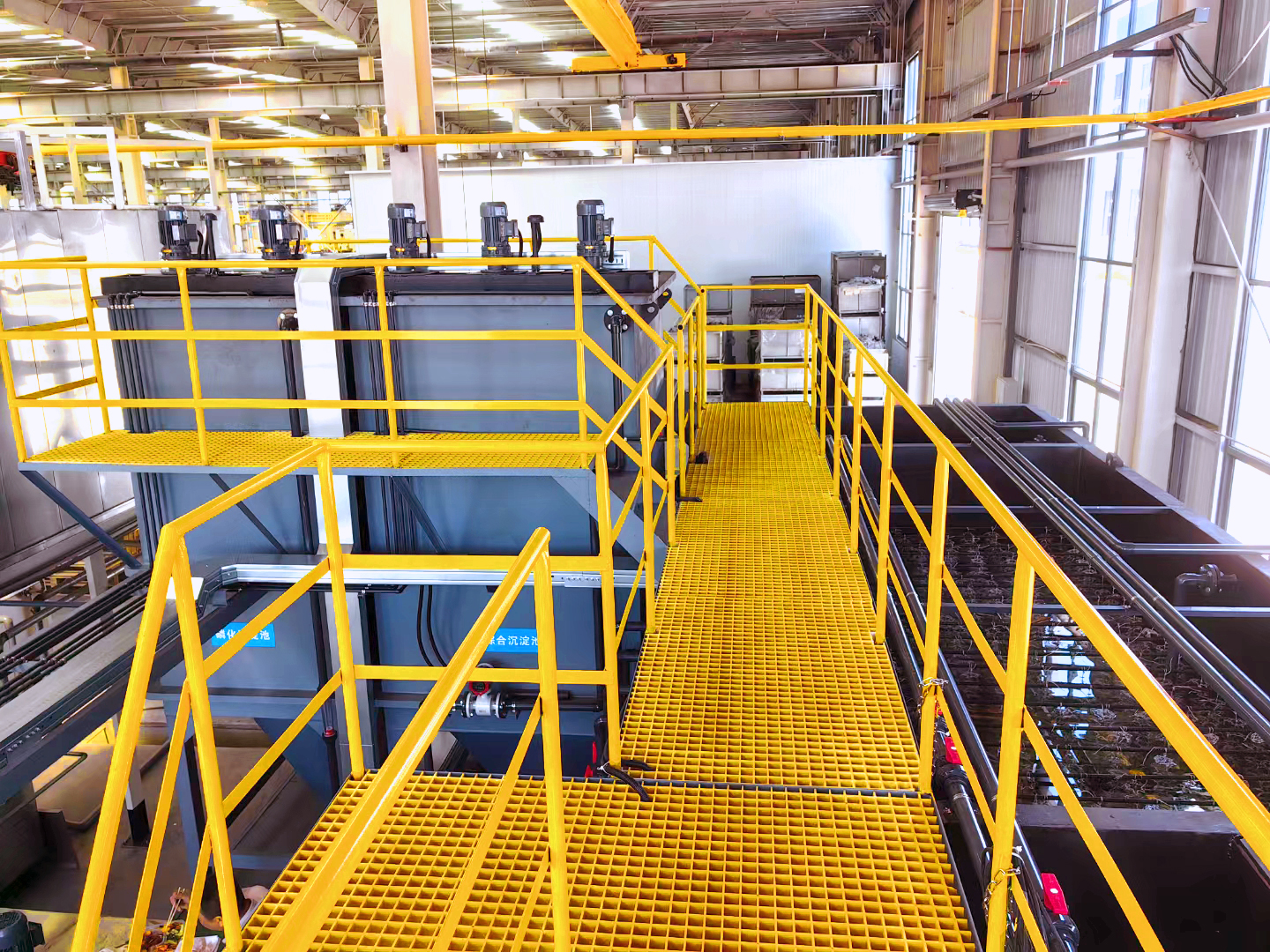
玻璃钢平台走道板
欢迎访问安徽天复,如果您需要任何帮助和疑问,请点击我咨询。 我们在线并随时准备为您提供帮助,留下您的联系方式或者拨打电话15357827366,谢谢。 玻璃钢平台走道系统重量轻、承重高、安装方便、防滑。产品包...
-

玻璃钢光伏走道板
欢迎访问安徽天复,如果您需要任何帮助和疑问,请点击我咨询。 我们在线并随时准备为您提供帮助,留下您的联系方式或者拨打电话15357827366,谢谢。 玻璃钢太阳能走道特点 耐腐蚀,不生锈,使用寿...
-
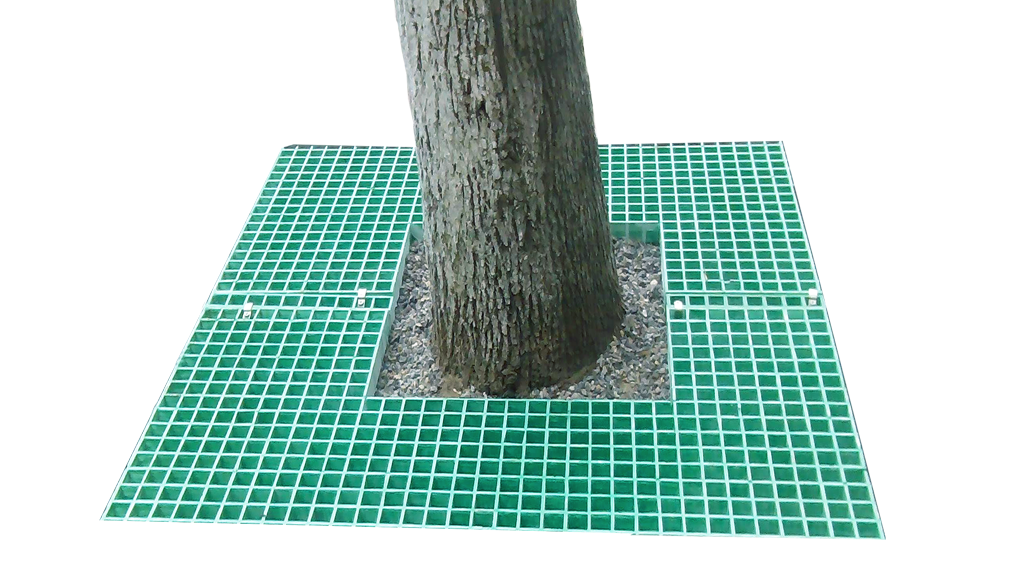
玻璃钢树池格栅
玻璃钢树池的主要是为了避免土壤板结和防止城市行道树的根部成为行人绊倒的危险。水和空气通过网格的狭窄缝隙进入地板,以防止碎屑掉落并使地板窒息。 为了获得最佳效果和较长的使用寿命,在所有安装应...